The Historical Facts:
The true story isn’t that far off from the fictional script!
Windsor Knot is fiction. There is no evidence that Prime Minister Stanley Baldwin actually blackmailed Edward into abdicating, although it is likely that some strong private pressure was brought to bear on him. In that way, Windsor Knot can be thought of as the JFK-style movie version: great story, but it didn’t really happen that way.
The Prince of Wales (like several others who have held that title) had raised many an eyebrow over his mistresses and gambling. However, he created an outright scandal after the death of his father by appearing publicly at his elevation to King in the company of Wallis Warfield Simpson, an American divorcee who was still married to her second husband, businessman Ernest Aldrich Simpson. The two had met at a party at Simpson’s home. The scandal was elevated to a crisis for the United Kingdom and the British Commonwealth when Edward announced that he wished to wed the still-married Wallis Simpson.
As King, Edward was also Supreme Governor of the Church of England, which did not allow divorced persons to remarry in church while a former spouse was still living — and both Mrs. Simpson’s first two husbands were still alive. However, it was probably the unsuitable nature of Mrs. Simpson herself that stirred opposition in the government.

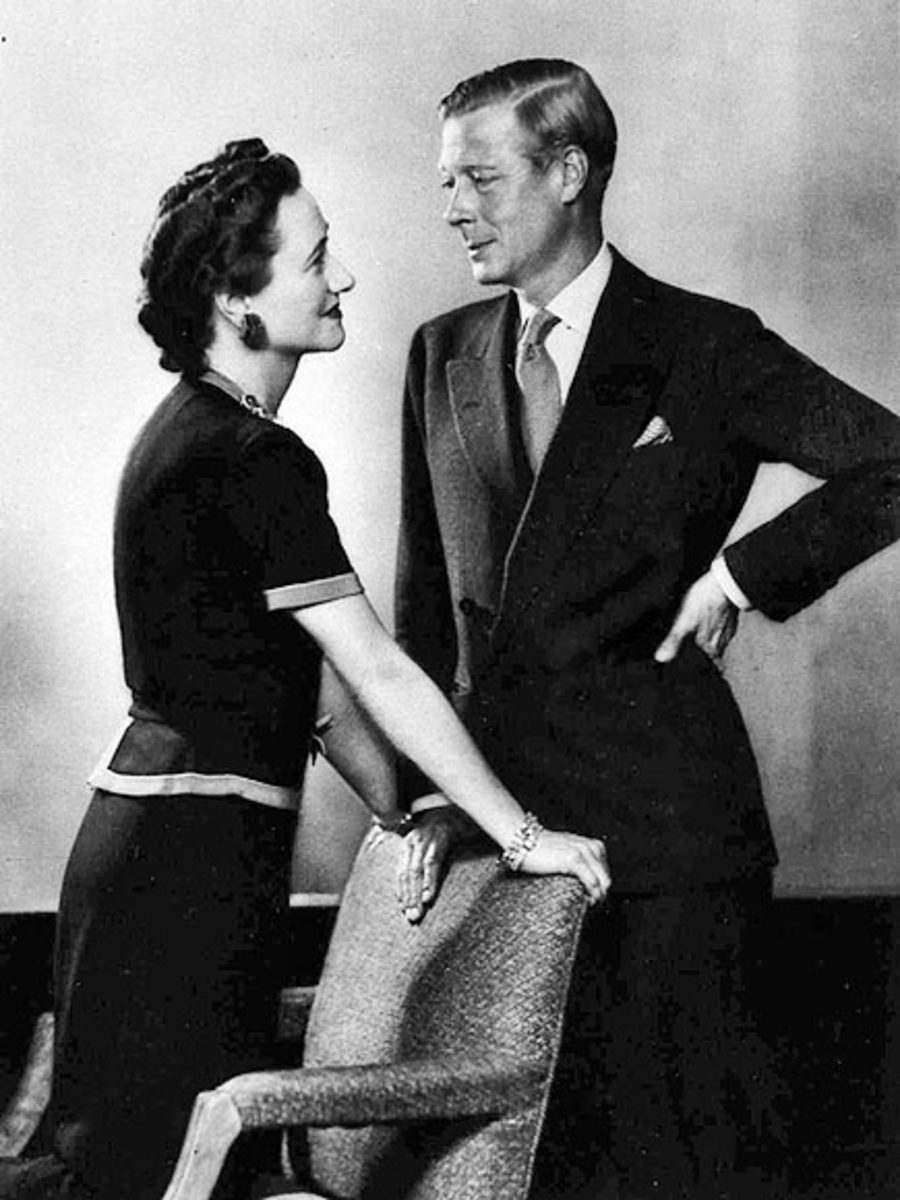
Wallis Simpson and Edward.
The government ministers and the Royal Family found Mrs. Simpson’s background and personal behavior unacceptable for a queen. Edward’s mother, the dowager Queen Mary, even suspected that Wallis held some sort of “sexual bond” over him. Even Edward VIII’s official biographer, Philip Ziegler, accepted that premise. He noted that “There must have been some sort of sadomachistic relationship . . . [Edward] relished the contempt and bullying she bestowed on him.” Though often portrayed as a great romance, it is clear from many accounts that the relationship was one of tawdry obsession on Edward’s part.
The private papers of Walter Turner Monckton, legal advisor to Edward, were released by the Bodleian Library in Oxford on January 29, 2003 (except for one batch concerning private correspondence to Monckton from Queen Elizabeth, the mother of Queen Elizabeth II, which remains embargoed until 2037). They provide a valuable insight into the facts and attitudes behind the abdication, and the rumours and innuendo that shaped them, most notably concerning Wallis Simpson. It was the release of these papers and papers from the FBI that gave rise to the concept for Windsor Knot.
Police detectives following Mrs. Simpson reported back that while involved with King Edward, Wallis was in fact involved in another sexual relationship, with a married car mechanic and salesman named Guy Trundle. This fact may well have been made known to senior figures in the British establishment, including members of the royal family. King Edward, however, remained unaware of his mistress’s infidelity with another man. A third lover has also been revealed, Edward Fitzgerald, Duke of Leinster, Ireland’s premier peer and close friend of her future husband.
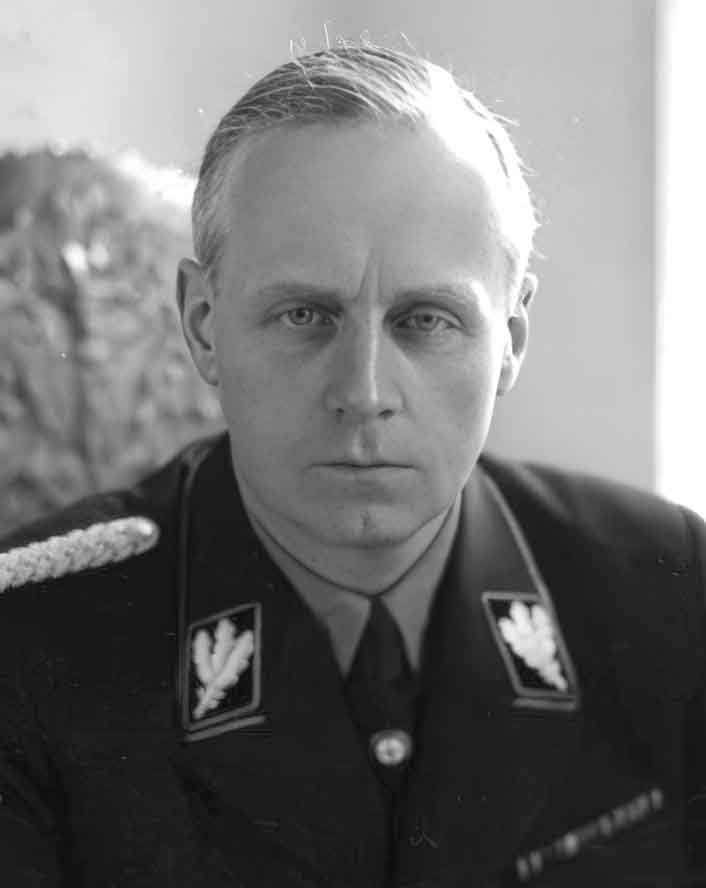
Ambassador Joachim von Ribbentrop
During 1936, the American FBI alleged that Mrs Simpson, while simultaneously having affairs with King Edward and Guy Trundle, she also had a third lover (not counting her husband), the German Reich’s Ambassador to England, Joachim von Ribbentrop. The Bureau claimed that von Ribbentrop sent her 17 carnations every day for a time, one for each time they slept together. It marked a further extremely damaging claim made against the woman who could become queen, that she (and indeed her husband) were Nazi sympathisers.
The FBI informed the British government that Wallis Simpson was probably a “Nazi agent”, according to files released in January 2003. It was rumoured that Wallis had access to top secret government files which were sent to King Edward, and which he was notoriously careless with at his Fort Belvedere residence. Even as Edward was abdicating, reports were sent to the Home Office from a Special Branch man following Wallis in exile in France, claiming that “Mrs. S. might flit at any moment . . . to Germany.”
As a result of these rumours, the belief strengthened among the British establishment that Wallis could not become a royal consort at all, and certainly could not be queen. The government of Stanley Baldwin explicitly informed King Edward VIII that it was opposed to him marrying Mrs. Simpson, indicating that if he did, in direct contravention of their advice, the Government would resign en masse. Under pressure from the King, Baldwin agreed to suggest three options to the King’s many prime ministers in his other kingdoms throughout the British Commonwealth. These were that:
- they marry and Mrs Simpson become queen (a “royal marriage”)
- they marry and she not become queen but receive some courtesy title instead (a “morganatic marriage”)
- he abdicate to marry Mrs Simpson.
The second option had European precedents but no parallel in British constitutional history. The Commonwealth’s prime ministers were consulted, and all but one agreed that marriage to Mrs. Simpson in any form was not an option they would accept.
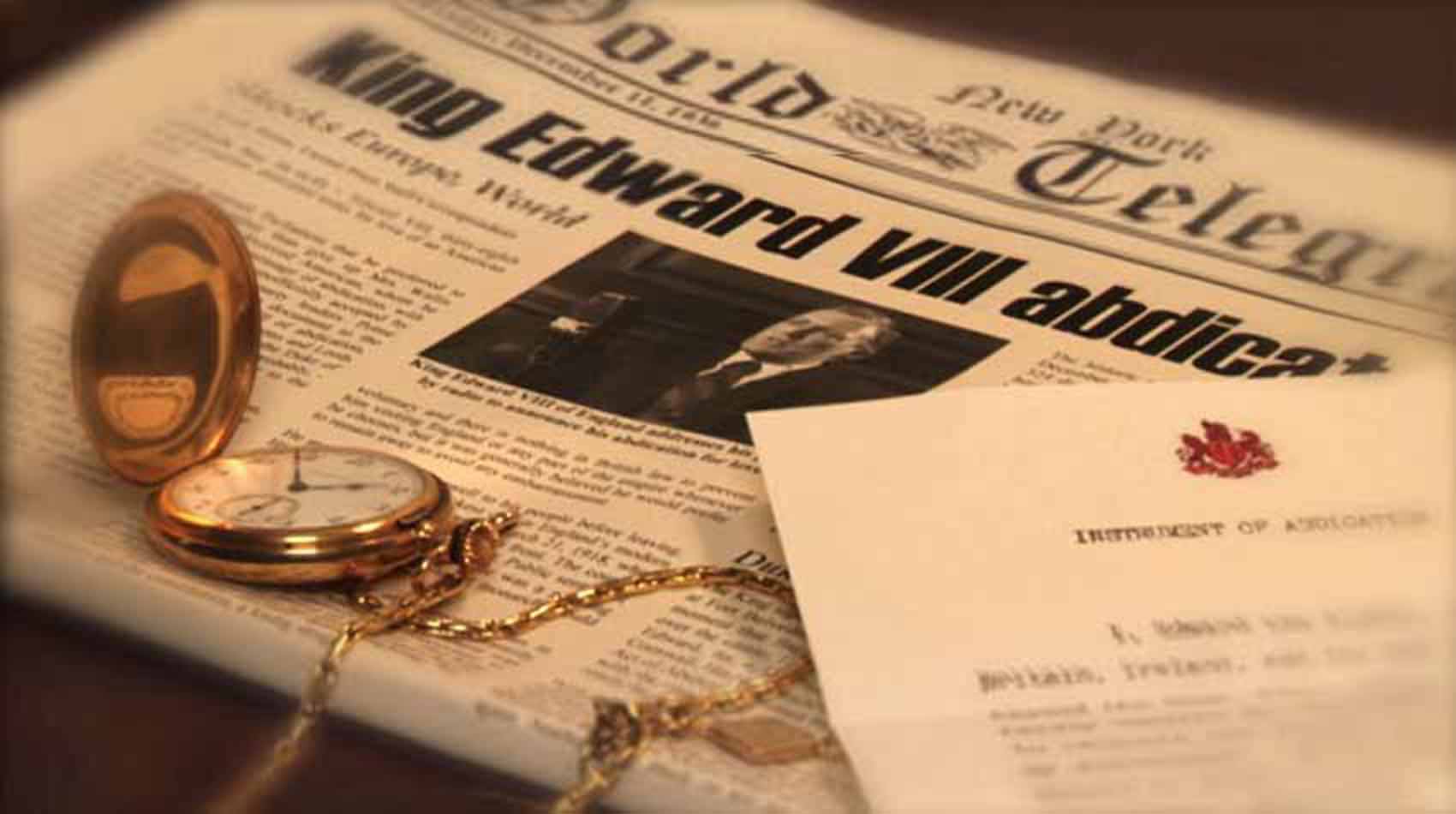
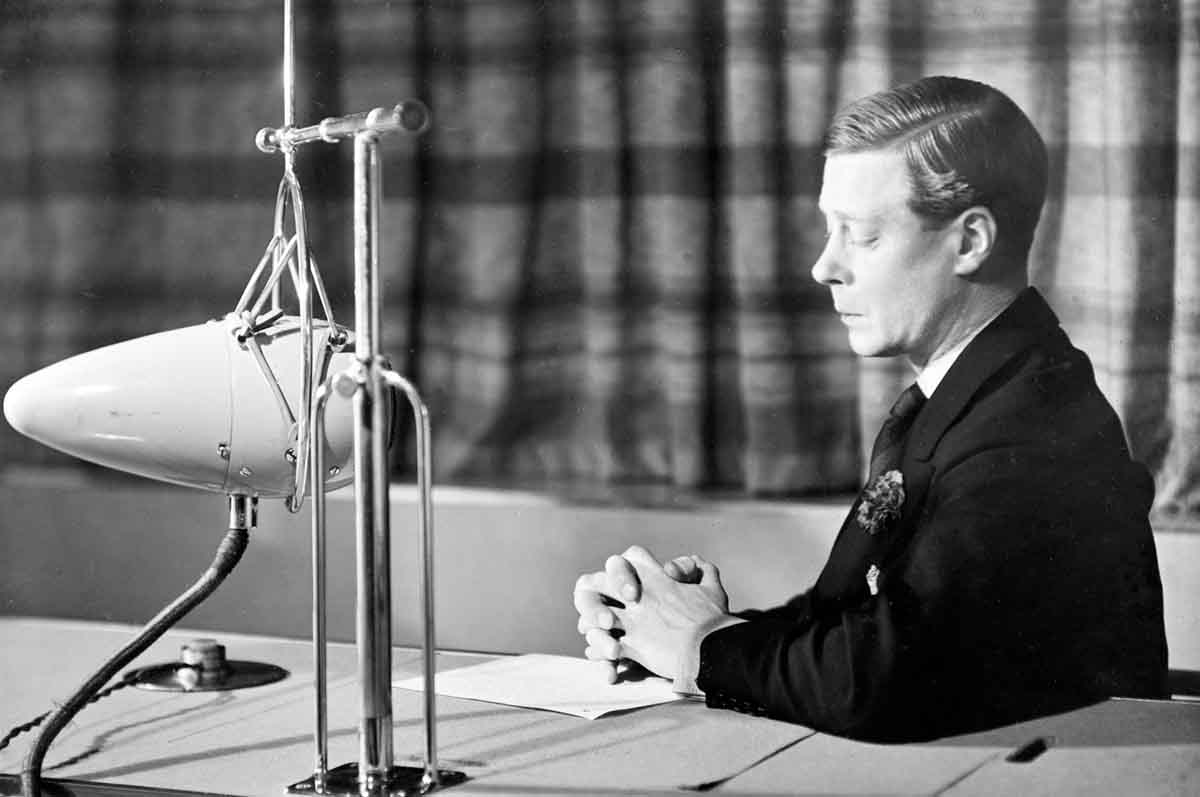
Having in effect been told that he could not keep the throne and marry Mrs. Simpson, and having been denied the request to appeal directly to the British nation to explain “his side of the story,” Edward chose the third option, becoming the first monarch in modern British history to abdicate voluntarily. As he had not been crowned yet, the coronation that had been planned for Edward VIII became that of his brother George VI instead.
Edward VIII’s written abdication notice was witnessed by his three younger brothers at Fort Belvedere: Albert, the Duke of York, who became King George VI by it, Henry, Duke of Gloucester, and George, Duke of Kent. It was then given legislative form by a special Act of Parliament (His Majesty’s Declaration of Abdication Act 1936). It was Royal Assent to this Act, rather than the abdication notice, which gave legal effect to the abdication in the United Kingdom and the British Empire.
The new King George created his elder brother Duke of Windsor, a newly invented title, with the style “His Royal Highness.”
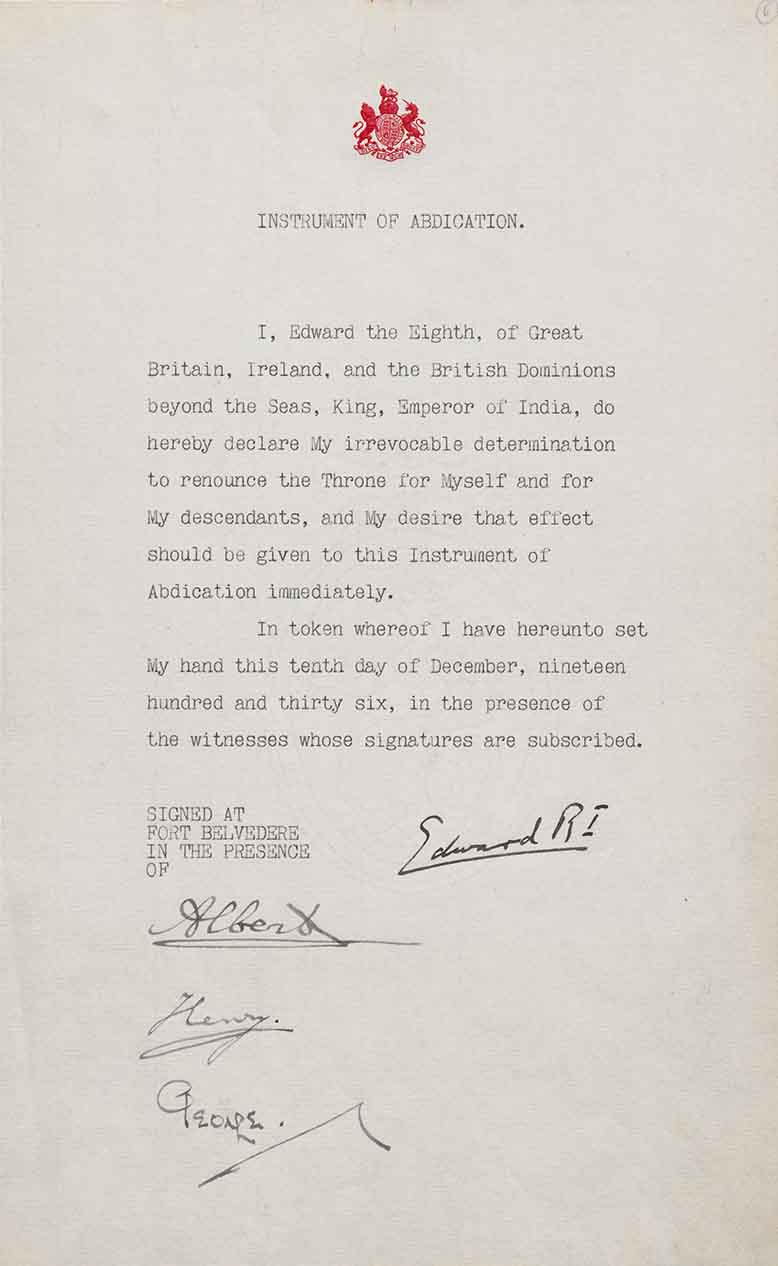
The Actual Letter of Abdication
King Edward VIII Announces his adbication from the throne on BBC Radio Network.