
Edward VIII
Summary of “Profile: Edward VIII” by Andrew Walker, BBC News Online
In “Profile: Edward VIII,” published by BBC News Online on January 29, 2003, Andrew Walker examines the controversial life of the monarch who surrendered the British throne in 1936 and became the Duke of Windsor.
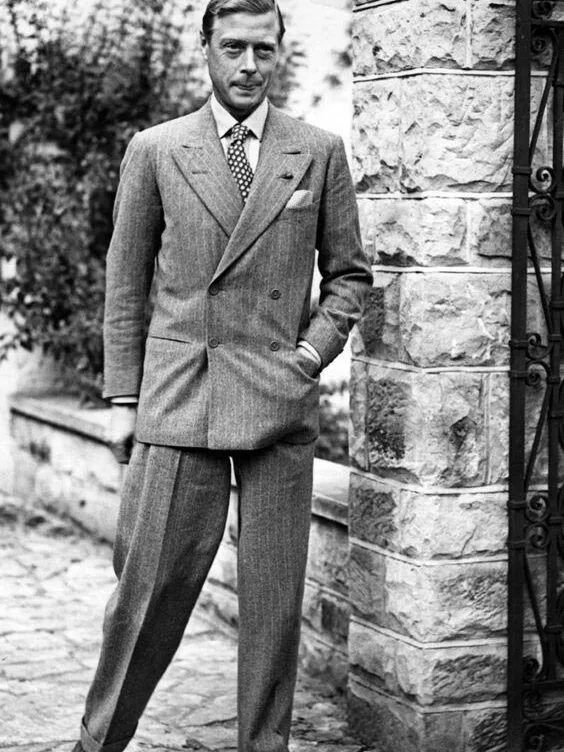
Born in 1894, Edward was the eldest son of the strict future King George V. Known as David within the Royal Family, he was handsome, sociable, and immensely popular. After serving in the Grenadier Guards during the First World War, he became a prominent figure in the fashionable society of the 1920s. His relationships with married women were well known, especially his later involvement with Wallis Simpson, an American divorcée.
Walker also presents a more serious side to Edward. During the economic depression, he visited impoverished British communities and promoted a program that helped approximately 200,000 unemployed people return to work. His public popularity often exceeded that of his more reserved father.
When Edward became king in January 1936, he faced two major controversies. The first was his determination to marry Simpson, which conflicted with his role as Supreme Governor of the Church of England. The second was concern about his sympathy for Nazi Germany. Under pressure from the government, church leaders, and royal advisers, he abdicated in December 1936.
Edward and Wallis married the following year. During a 1937 visit to Germany, they met Adolf Hitler, dined with Rudolf Hess, and toured a concentration camp. During the Second World War, the Duke served briefly in France before becoming Governor of the Bahamas from 1940 to 1945. Reports of statements sympathetic to Hitler continued to damage his reputation.
After the war, the Duke and Duchess lived mainly in France. Edward died in 1972, and Wallis died in 1986. Walker concludes that although the official British position maintained that Edward remained loyal, his character and political beliefs continue to inspire debate.
Source: Andrew Walker, BBC News Online, January 29, 2003.
Original article: http://news.bbc.co.uk/2/hi/uk_news/2701965.stm
Wikipedia article: https://en.wikipedia.org/wiki/Edward_VIII
Wallis Simpson
Summary of “Profile: Wallis Simpson” by Chris Jones, BBC News Online
In “Profile: Wallis Simpson,” published by BBC News Online, Chris Jones examines the complicated life of the woman for whom King Edward VIII gave up the British throne in 1936.
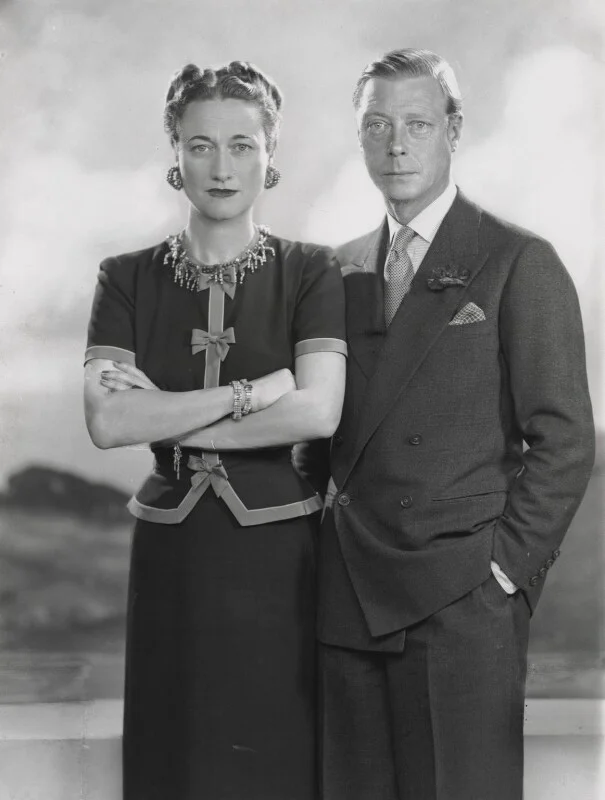
Born Bessie Wallis Warfield in Baltimore in 1896, Wallis grew up with financial insecurity after her father died during her infancy. Feeling excluded from the privileged social world she believed should have been hers, she sought independence through marriage. Her first husband, naval aviator Earl Winfield Spencer, was reportedly an alcoholic, and the marriage ended in divorce. She later married British-American businessman Ernest Simpson in 1928.
After entering English society, Wallis met Edward, Prince of Wales, at a house party hosted by his mistress, Lady Thelma Furness. Although Wallis was married and not considered conventionally beautiful, Edward became captivated by her. By 1934, he was regularly visiting the Simpsons’ home, and their relationship soon placed enormous pressure on her marriage.
When Edward became king in January 1936, his attachment to Wallis intensified. Her divorce and his determination to marry her created a constitutional crisis, ultimately leading to his abdication on December 11, 1936. However, a document released decades later complicates the common image of Wallis as an ambitious schemer. Shortly before the abdication, she signed a statement declaring that she had abandoned plans to marry the King. Her private letters also suggest that she found Edward’s dependence on her overwhelming.
Later allegations damaged her reputation further. British and American authorities investigated claims that she and the Duke of Windsor sympathized with Nazi Germany. The FBI received unproven reports that she had passed information to German Foreign Minister Joachim von Ribbentrop and had once been his lover.
After the war, Wallis reportedly had a long affair with American playboy Jimmy Donahue while Edward remained nearby. Jones concludes that neither Wallis nor Edward found a satisfying purpose after the abdication.
Source: Chris Jones, BBC News Online.
Original article: http://news.bbc.co.uk/2/hi/uk_news/2701969.stm
Wikipedia article: https://en.wikipedia.org/wiki/Wallis_Simpson
Stanley Baldwin
Summary of “Profile: Stanley Baldwin,” BBC News Online
The BBC News Online article “Profile: Stanley Baldwin,” published on January 29, 2003, examines the political career of the British prime minister who played a decisive role in the 1936 abdication crisis. No individual author is credited.
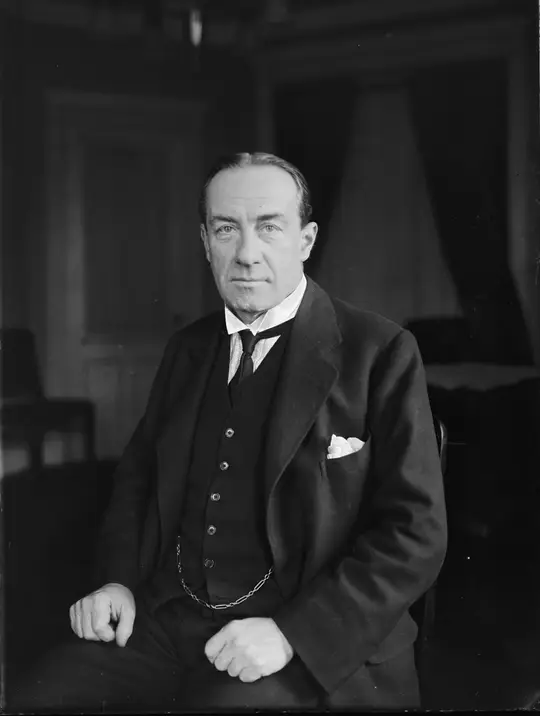
Stanley Baldwin was born in Worcestershire in 1867, the son of an ironworks owner and Member of Parliament. Raised in a Methodist family, he remained deeply religious throughout his life. After attending Harrow School and Cambridge University, he entered the family business and was elected to Parliament in 1908.
Baldwin served as prime minister three times during the 1920s and 1930s. His first government began in 1923 but ended after a general-election defeat. He returned to office in 1924, lost power again in 1929, and became prime minister for the third time in 1935.
His leadership style divided opinion. Critics saw him as lazy because he delegated responsibility and took lengthy holidays. Supporters regarded his approach as politically shrewd, allowing him to maintain control of a divided Conservative Party.
Baldwin’s defining moment came when King Edward VIII announced his desire to marry Wallis Simpson, an American divorcée. Baldwin told the King that such a marriage would be unacceptable to the government and much of the British public. Through a series of meetings, he made clear that Edward would have to give up Simpson or surrender the throne. Edward chose to abdicate.
Baldwin then explained the crisis to Parliament in a speech widely praised for its authority and emotional power. His handling of the abdication was generally considered highly successful, and he retired shortly after the coronation of George VI in 1937.
However, Baldwin’s reputation later declined. Critics blamed his governments for failing to oppose Adolf Hitler and Benito Mussolini strongly enough and for leaving Britain inadequately prepared for the Second World War. His legacy therefore combines political skill during the abdication crisis with controversy over his handling of the growing threat from fascist Europe.
Source: BBC News Online, January 29, 2003. No individual author is identified.
Original article: http://news.bbc.co.uk/2/hi/uk_news/2702181.stm
Wikipedia article: https://en.wikipedia.org/wiki/Stanley_Baldwin
Walter Monckton
Summary of “Profile: Walter Monckton” by Andrew Walker, BBC News Online
In “Profile: Walter Monckton,” published by BBC News Online on January 29, 2003, Andrew Walker examines the life of the lawyer and adviser who played a central role in the abdication crisis of 1936.
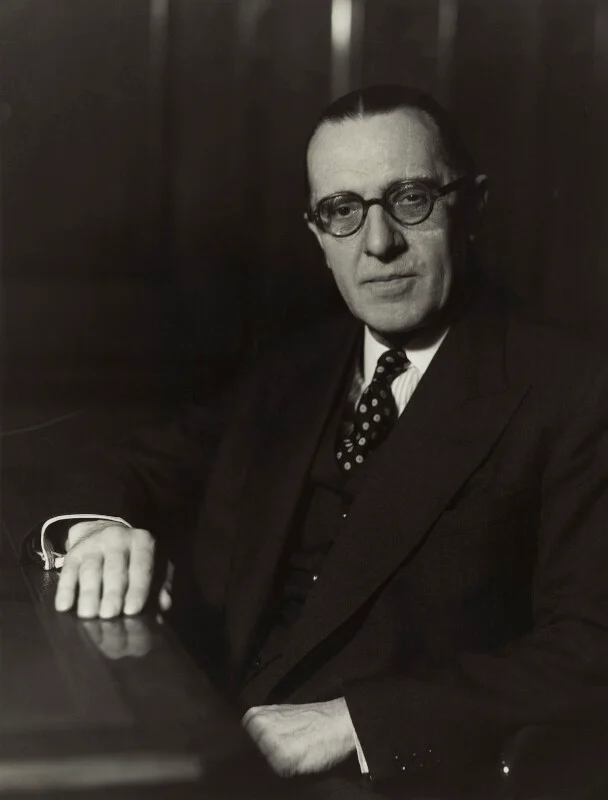
Walter Turner Monckton was born in Kent in 1891 and educated at Harrow and Balliol College, Oxford, where he became president of the Oxford Union. His studies were interrupted by the First World War, during which he earned the Military Cross. After graduating, he built a successful career as a barrister.
Monckton’s life changed in 1932 when Edward, then Prince of Wales, asked him to serve as his legal adviser. When Edward became king and announced his determination to marry Wallis Simpson, Monckton became an intermediary between the monarch and Prime Minister Stanley Baldwin. He understood Edward’s frustration and believed the public should accept him as a man determined to live differently from his father.
Monckton drafted the abdication statement that Edward read on December 11, 1936. He also negotiated the financial settlement that followed. King George VI paid his brother £300,000 for Sandringham and Balmoral and granted him an annual allowance of £25,000. Monckton remained trusted by both brothers and corresponded frankly with Queen Elizabeth, later the Queen Mother. One of her letters, believed to contain severe criticism of the Duchess of Windsor, was withheld from publication until 2037.
During the Second World War, Monckton directed British propaganda operations in Cairo and prepared an unused abdication document for Egypt’s King Farouk. After the war, he negotiated with the Soviet Union over German reparations and entered politics, serving as Minister of Labour in Winston Churchill’s government.
Later made a peer, Monckton chaired Midland Bank and served as president of the Marylebone Cricket Club. He died in 1965.
Source: Andrew Walker, BBC News Online, January 29, 2003.
Original article: http://news.bbc.co.uk/2/hi/uk_news/2702371.stm
Wikipedia article: https://en.wikipedia.org/wiki/Walter_Monckton
King George VI
Summary of “Profile: King George VI” by Andrew Walker, BBC News Online
In “Profile: King George VI,” published by BBC News Online on January 29, 2003, Andrew Walker examines the life of the reluctant monarch who inherited the throne after his brother Edward VIII abdicated in 1936.
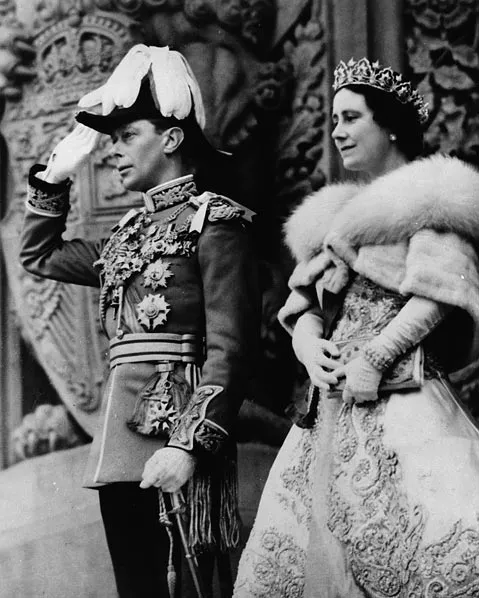
Born Albert Frederick Arthur George in 1895, the future king endured a difficult childhood under his strict father, King George V. Naturally left-handed, he was forced to write with his right hand, and his legs were placed in splints to correct knock knees. He also struggled with a severe stammer and painful shyness. At naval college he was bullied, although he later served at the Battle of Jutland during the First World War.
Unlike his socially confident older brother Edward, Albert preferred a quieter life. In 1920 he met Elizabeth Bowes-Lyon and proposed to her three times before she accepted. They married in 1923 and became the Duke and Duchess of York. Their daughters, Elizabeth and Margaret, were born in 1926 and 1930, and the family developed a close domestic life.
Albert never expected to become king. However, when Edward VIII gave up the throne to marry Wallis Simpson, Albert became George VI. Although unprepared, he gradually restored confidence in the monarchy after the abdication crisis and earned the respect of his ministers and subjects.
His greatest challenge came with the outbreak of the Second World War in 1939. Although George and Queen Elizabeth initially distrusted Winston Churchill because of his earlier support for Edward, they later admired his leadership. During the Blitz, the royal couple remained in London despite the danger. Their decision to stay, especially after Buckingham Palace was bombed, strengthened public affection for them.
George VI’s conscientious wartime service made him a symbol of duty and national endurance. However, the strain damaged his health. A heavy smoker, he developed lung cancer and died in 1952 at the age of 56.
Source: Andrew Walker, BBC News Online, January 29, 2003.
Original article: http://news.bbc.co.uk/2/hi/uk_news/2703403.stm
Wikipedia article: https://en.wikipedia.org/wiki/George_VI
Queen Elizabeth
Summary of “Profile: Queen Elizabeth” by Bob Chaundy, BBC News Online
In “Profile: Queen Elizabeth,” published by BBC News Online on January 29, 2003, Bob Chaundy examines the life of Elizabeth Bowes-Lyon, later Queen Elizabeth and eventually the Queen Mother, with particular attention to the way the 1936 abdication crisis transformed her life.
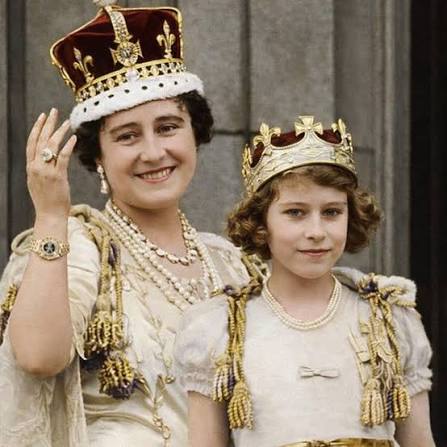
Elizabeth twice rejected marriage proposals from Prince Albert, known within the family as Bertie, because she feared the restrictions of royal life. She eventually accepted, and the couple married in 1923. At the time, neither expected to become king and queen. Elizabeth came from an aristocratic Scottish family and had helped care for wounded soldiers at Glamis Castle during the First World War.
The abdication of Edward VIII changed everything. Elizabeth urged Edward to place duty before his desire to marry Wallis Simpson, partly because she believed her shy, stammering husband was not suited to the throne. When Edward abdicated, Albert became King George VI, and Elizabeth became Queen Consort.
She never forgave Edward or Wallis. Deeply religious and strongly committed to duty, Elizabeth regarded the abdication as a betrayal of the monarchy. She also viewed Wallis as a social climber and reportedly described her as “the lowest of the low.” Elizabeth helped exclude Wallis from royal life and supported the decision to deny her the title of Her Royal Highness.
As Queen, Elizabeth became an essential source of strength to her husband. She encouraged him to seek speech therapy and helped him grow into his role. During the Second World War, the royal couple remained in Britain, visited bomb-damaged communities, and became symbols of courage and national unity.
Widowed at 51, Elizabeth continued public duties for another fifty years in support of her daughter, Queen Elizabeth II. Chaundy concludes that although she resisted some efforts to modernize the monarchy, she helped give it a warmer, family-centered image and came to represent dignity, duty, humor, and traditional British values.
Source: Bob Chaundy, BBC News Online, January 29, 2003.
Original article: http://news.bbc.co.uk/2/hi/uk_news/2689033.stm
Wikipedia article: https://en.wikipedia.org/wiki/Queen_Elizabeth_the_Queen_Mother